
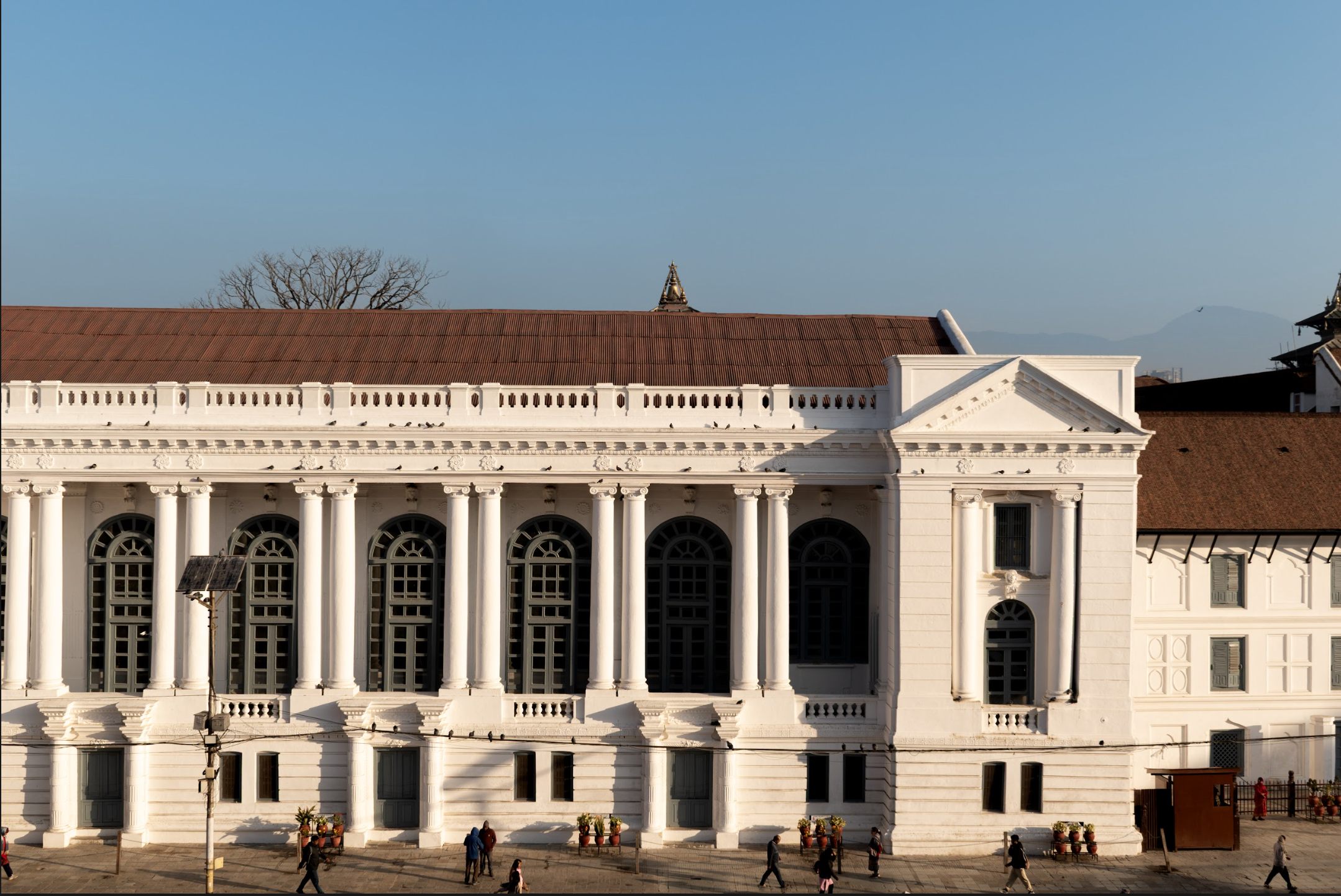
Basantapur Durbar Square is one of Nepal’s most significant cultural and historical landmarks, representing centuries of art, architecture, governance, and living tradition. Located at the heart of Kathmandu, this UNESCO World Heritage Site is more than a collection of monuments. It is a vibrant cultural space where history continues to shape everyday life.
From royal palaces and sacred temples to festivals that animate the square year-round, Basantapur stands as a powerful reminder of Nepal’s enduring heritage.
Historical Significance of Basantapur
Basantapur Durbar Square served as the royal seat of the Malla and Shah dynasties, playing a central role in the political and cultural development of the Kathmandu Valley. For generations, it was the administrative and ceremonial heart of the kingdom, hosting coronations, religious rituals, state assemblies, and public gatherings.
The square’s strategic location allowed it to function as a hub for governance, trade, and social life. Kings ruled from within the palace complex, while citizens participated in festivals and daily activities in the surrounding courtyards. This integration of royal authority and public space remains a defining characteristic of Basantapur’s historical identity.
Architectural Heritage and Newar Craftsmanship
The architectural landscape of Basantapur reflects the exceptional craftsmanship of the Newar civilization, known for its mastery of brickwork, wood carving, and pagoda-style temple design.
Key architectural features include:
Multi-tiered pagoda temples with ornate wooden struts
Intricately carved windows and doors depicting deities and mythological scenes
Red brick courtyards designed for community interaction
Stone sculptures and sacred shrines positioned throughout the complex
Landmarks such as Hanuman Dhoka Palace, Taleju Temple, and Kumari Ghar showcase the sophistication of traditional Nepali architecture, designed not only for beauty but also for structural resilience and spiritual symbolism.
The Living Goddess Kumari and Spiritual Traditions
One of the most distinctive aspects of Basantapur is its association with the Kumari, the Living Goddess. Residing in the Kumari Ghar within the square, the Kumari tradition reflects Nepal’s unique spiritual worldview, where divinity is believed to manifest in human form.
This practice continues uninterrupted, making Basantapur a rare example of heritage that is not only preserved but actively lived. Daily rituals, religious observances, and sacred customs remain integral to the square’s identity, reinforcing its role as a spiritual center.
Festivals and Cultural Life in Basantapur
Basantapur Durbar Square is a focal point for many of Kathmandu’s major festivals, including:
Indra Jatra
Dashain
Tihar
Various Newar jatras and processions
During these events, the square transforms into a vibrant cultural stage filled with music, masked dances, chariot processions, and communal celebrations. These festivals are not symbolic reenactments; they are active traditions passed down through generations, strengthening cultural continuity and community participation.
Everyday Life Within a Historic Space
Unlike many heritage sites that function primarily as tourist attractions, Basantapur remains deeply integrated into daily life. Local residents, vendors, artisans, priests, and visitors share the same space where history unfolded centuries ago.
People shop for offerings near ancient temples, gather in courtyards for conversation, and celebrate festivals in front of royal palaces. This coexistence of modern life and historical architecture gives Basantapur its distinctive character as a living heritage site.
Earthquakes, Restoration, and Resilience
Basantapur has endured natural disasters, political change, and urban expansion. Earthquakes have damaged several structures over the centuries, yet restoration efforts have consistently focused on authenticity and traditional building techniques.
Post-earthquake reconstruction has emphasized:
Use of traditional materials and craftsmanship
Collaboration with local artisans and historians
Preservation of historical accuracy and cultural integrity
These efforts highlight Nepal’s commitment to safeguarding its heritage while allowing it to evolve responsibly.
Why Basantapur Matters Today
In a rapidly modernizing world, Basantapur Durbar Square offers an important lesson: cultural progress does not require the loss of identity. The square demonstrates how heritage can coexist with urban development, technology, and contemporary lifestyles.
For visitors, Basantapur provides insight into Nepal’s history, architecture, and spiritual traditions. For locals, it represents continuity, belonging, and shared memory. For future generations, it serves as a living classroom of cultural values and resilience.
Preserving Basantapur for Future Generations
Heritage preservation extends beyond restoring monuments. It involves documenting stories, maintaining traditions, and fostering awareness among younger generations. Digital platforms like basantapur.com play a vital role in making heritage accessible, educational, and relevant in the modern age.
By combining historical knowledge with digital storytelling, Basantapur’s legacy can be shared globally while remaining rooted in its local community.
Conclusion
Basantapur Durbar Square stands as a testament to Nepal’s cultural depth, architectural excellence, and enduring traditions. It is a place where history is not confined to the past but continues to shape the present.
As Kathmandu grows and evolves, Basantapur remains a powerful symbol of identity, where stone, ritual, and everyday life come together to tell Nepal’s story.