
Hanuman Dhoka Palace: Why This UNESCO Site Is Dividing the Internet Right Now
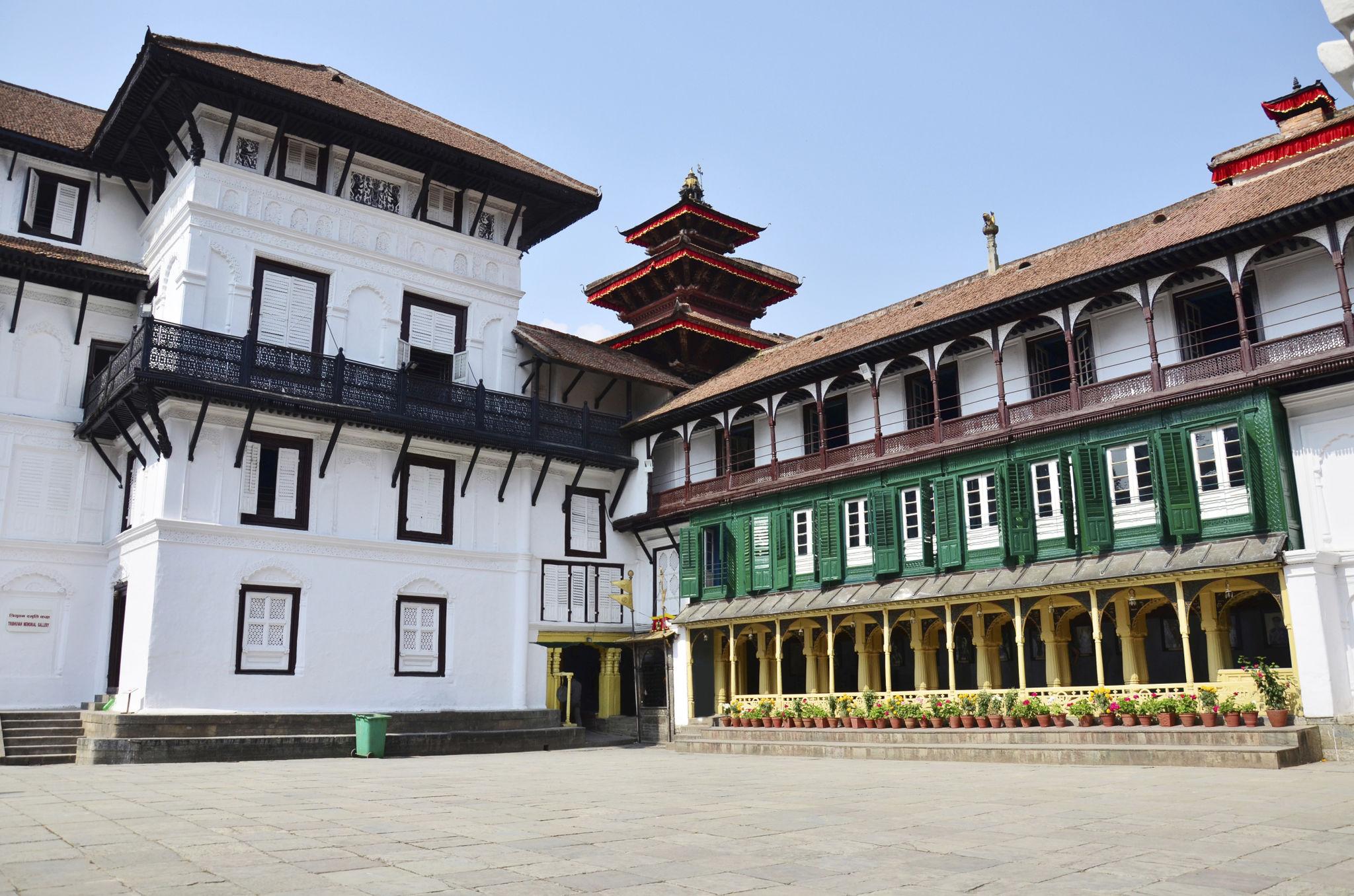
In the heart of Kathmandu stands Hanuman Dhoka Palace, a historic royal complex inside Kathmandu Durbar Square. Once the political and cultural center of Nepal’s monarchy, it is now one of the country’s most visited heritage landmarks — and unexpectedly, one of the most debated.
So why is a centuries-old palace trending in heated online conversations? Because Hanuman Dhoka sits at the crossroads of history, identity, restoration, tourism, and global heritage politics. And people have opinions. Strong ones.
A Palace Built by Kings, Watched Over by a God
The palace gets its name from the stone statue of Hanuman guarding the entrance — wrapped in red cloth, silently “protecting” the complex since the 17th century.
This was the royal seat of the Malla dynasty and later the Shah dynasty. Coronations happened here. Royal rituals happened here. Decisions that shaped Nepal’s history happened here.
Architecturally, it’s a masterclass in traditional Newar craftsmanship: tiered pagoda temples, intricately carved wooden windows, courtyards layered with symbolism. It’s not just a building. It’s a timeline carved into brick and timber.
The Earthquake That Changed Everything
Then came the 2015 Nepal earthquake.
Temples collapsed. Structures cracked. Parts of the complex were reduced to rubble. Since then, restoration has been ongoing — and that’s where the internet debate lights up.
One side says:
Rebuilding is essential. Heritage must survive, even if repairs are visible.
The other says:
Too much reconstruction risks turning history into a replica.
People argue about authenticity vs. survival. Original materials vs. modern reinforcement. Traditional methods vs. engineering safety. It’s preservation philosophy, but now it’s playing out in Instagram comments and travel forums.
UNESCO Status: Honor… and Pressure
Hanuman Dhoka is part of a UNESCO World Heritage zone. That recognition protects the site — but also brings scrutiny.
International guidelines influence how restoration happens. Some locals feel global oversight is necessary. Others feel heritage decisions should remain fully local.
This isn’t just about architecture. It’s about cultural ownership. Who gets the final say over how Nepal’s history is preserved?
Tourism: Cultural Treasure or Crowded Attraction?
Let’s be blunt. It’s popular. Very popular.
Some visitors describe it as a spiritual, historical masterpiece. Others complain about ticket prices, crowds, and areas under scaffolding. Social media amplifies both experiences. One reel shows golden light hitting ancient carvings. The next shows construction zones and calls it “overhyped.”
Both are true. It’s breathtaking and imperfect at the same time.
The Repatriation Conversation
Another layer of debate involves sacred artifacts once linked to temples in the complex, including items associated with Taleju Temple. Some ceremonial objects are now in foreign museums, fueling global discussions about returning cultural heritage to its place of origin.
So Hanuman Dhoka isn’t just about the past. It’s part of a global movement about who history belongs to.
A Living Heritage, Not a Frozen Museum
Here’s what many online arguments miss: this isn’t a dead monument. Temples are still active. Festivals still happen. Rituals still continue. Local communities still connect to the space spiritually, not just historically.
That makes restoration decisions even more complex. This is living culture, not a fossil.
So, Is It Worth Visiting?
Absolutely. But go with the right mindset.
You’re not walking into a perfectly preserved time capsule. You’re stepping into a heritage site that survived kings, earthquakes, political shifts, and modern tourism — and is still evolving. The debates you read online? They’re part of its story now.
Hanuman Dhoka Palace isn’t dividing the internet because it’s failing. It’s dividing opinions because it matters.
And places that matter are never simple.