
Ranjana Lipi: The Ancient Script That Defines Kathmandu's Heritage
Walking through Basantapur Durbar Square, visitors are often captivated by intricately carved temples, ancient palaces, and centuries-old monuments. Yet, another remarkable piece of Kathmandu's heritage quietly adorns temple doors, stone inscriptions, prayer wheels, manuscripts, and ceremonial banners the elegant Ranjana Lipi.
More than just a writing system, Ranjana Lipi is a symbol of Nepal's artistic excellence, religious traditions, and the enduring legacy of the Newar civilization. For centuries, it has been used to record sacred texts, decorate monuments, and preserve the cultural memory of the Kathmandu Valley. Today, it remains one of Nepal's most treasured cultural assets and an important part of Basantapur's identity.
What is Ranjana Lipi?
Ranjana Lipi (also known as the Ranjana Script) is an ancient Nepalese calligraphic script that emerged around the 11th century. It was primarily developed by the Newar community of the Kathmandu Valley to write Nepal Bhasa (Newari) and Sanskrit.
The name "Ranjana" comes from a Sanskrit word meaning "delightful," "beautiful," or "pleasing." The script lives up to its name with graceful curves, ornamental strokes, and highly decorative letterforms that have made it one of Asia's most visually distinctive writing systems.
The Connection Between Ranjana Lipi and Basantapur
Basantapur has been the political, religious, and cultural heart of Kathmandu for centuries. During the Malla period (1200–1769 CE), the royal court, scholars, artists, and priests flourished here, making it a center for literature, architecture, and calligraphy.
Many temples, monasteries, shrines, and historical structures around Basantapur and Kathmandu Durbar Square feature inscriptions in Ranjana Lipi. These inscriptions appear on:
Temple entrances
Stone tablets
Wooden carvings
Bronze bells
Prayer wheels
Religious manuscripts
Ritual objects
Festival banners
Visitors exploring Basantapur can still find examples of the script engraved into monuments, reflecting the area's long-standing artistic and spiritual traditions.
A Script Beyond Nepal
Although Ranjana Lipi originated in the Kathmandu Valley, its influence spread far beyond Nepal through Buddhism.
As Newar merchants, monks, and artisans traveled across the Himalayas, the script reached Tibet, Bhutan, Mongolia, China, and later Japan. There it became known as Lantsa and was widely used to write Sanskrit Buddhist mantras, sacred texts, and ceremonial inscriptions. Even today, Ranjana script can be found in Mahayana and Vajrayana Buddhist monasteries across Asia.
Art Meets Language
Unlike everyday writing systems, Ranjana Lipi is celebrated as both a script and an art form. Skilled calligraphers use traditional bamboo pens and ink to produce elegant characters that are prized for their beauty.
Its flowing lines and balanced composition make it a popular choice for:
Temple decorations
Wedding invitations
Religious scrolls
Festival banners
Certificates
Traditional artwork
Souvenirs and calligraphy
Learning the script is often described as both an artistic and meditative practice.
Decline and Revival
During the 20th century, the widespread adoption of Devanagari for administration and education led to a decline in the everyday use of Ranjana Lipi.
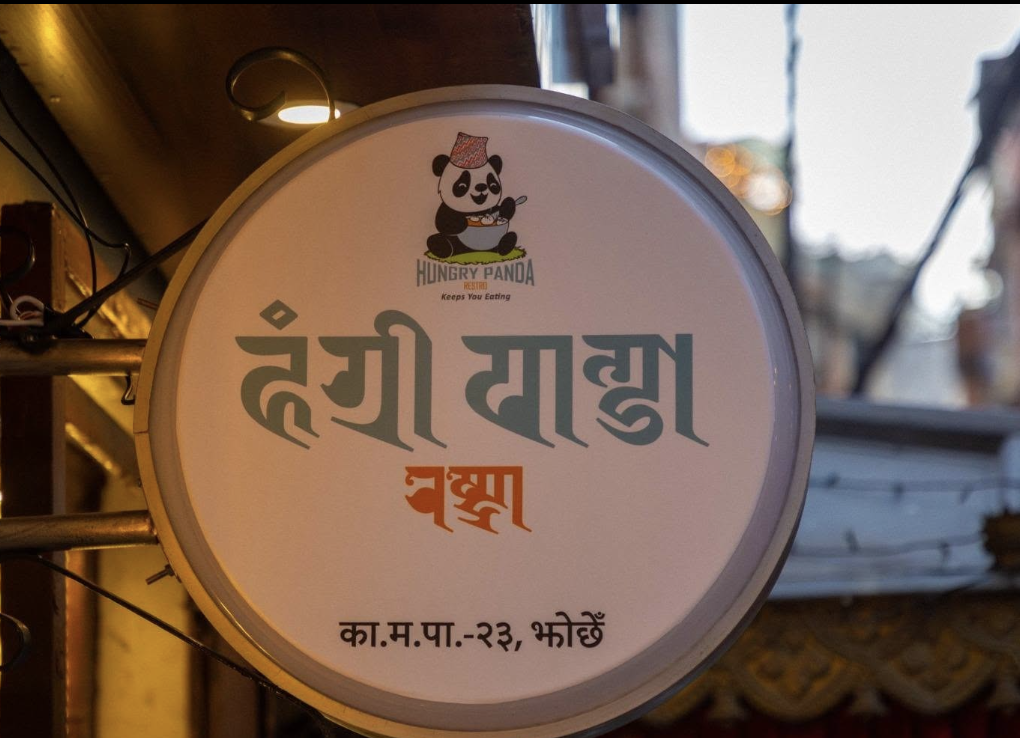
In recent decades, however, scholars, artists, and cultural organizations have launched workshops, exhibitions, festivals, and training programs to revive the script. Municipalities in the Kathmandu Valley have also begun incorporating Ranjana Lipi into official signage and public spaces, reaffirming its place in Nepal's cultural landscape.
Why Ranjana Lipi Matters Today
Ranjana Lipi is more than a historical artifact, it is a living symbol of Nepal's identity. Preserving and promoting the script helps safeguard centuries of knowledge, craftsmanship, and cultural expression for future generations.
For Basantapur, where history is woven into every courtyard and temple, Ranjana Lipi remains an integral part of the heritage that makes this UNESCO World Heritage area unique.
Experience Ranjana Lipi in Basantapur
As you explore Basantapur, take a closer look at the details around you. The elegant characters carved into temple beams, inscribed on stone monuments, or displayed during cultural celebrations tell stories that have endured for centuries.
Each inscription is a reminder that Kathmandu's heritage is preserved not only in its architecture but also in the scripts that gave voice to its civilization.
Frequently Asked Questions
What is Ranjana Lipi?
Ranjana Lipi is a historic Nepalese calligraphic script developed around the 11th century to write Nepal Bhasa and Sanskrit.
Why is it important?
It preserves Nepal's artistic, religious, and literary heritage and remains a key symbol of Newar culture.
Where can I see Ranjana Lipi in Basantapur?
You can find it on temples, shrines, inscriptions, religious objects, ceremonial banners, and heritage buildings throughout Basantapur and Kathmandu Durbar Square.
Is Ranjana Lipi still used?
Yes. Although it is no longer used for everyday writing, it continues to be taught, practiced, and displayed in cultural, religious, and artistic contexts, with ongoing efforts to revive and promote it.