
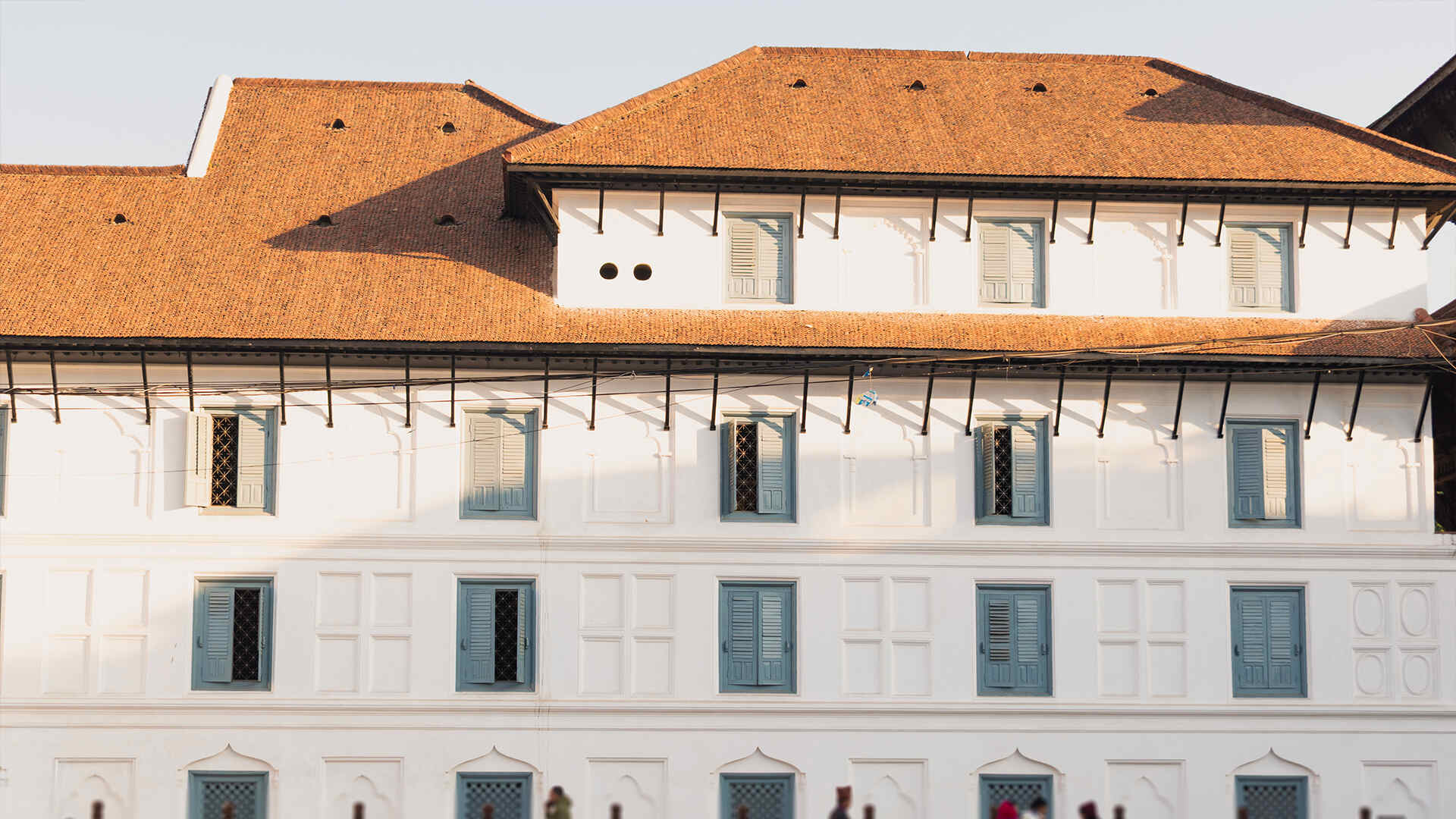
Who Built Basantapur? The History Behind Kathmandu’s Royal Heart
Basantapur, widely known as Basantapur Durbar Square, is not the creation of a single ruler or a one-time construction project. Instead, it is the result of centuries of vision, power, devotion, and artistry shaped by Nepal’s historic Malla dynasty. What stands today as a cultural and architectural treasure is a layered legacy of kings who ruled Kathmandu and transformed it into the political and ceremonial heart of the valley.
The Origins: Rise of the Malla Dynasty
The foundations of Basantapur were laid during the Malla period (12th–18th century), when the Kathmandu Valley was divided into three powerful city-states: Kathmandu, Patan, and Bhaktapur. Each kingdom competed to display wealth, devotion, and authority through grand palaces, temples, and public squares.
Kathmandu’s royal complex, what we now call Basantapur Durbar Square served as the seat of power for the Kathmandu Malla kings, evolving gradually as successive rulers expanded and refined it.
King Pratap Malla: The Architect of Grandeur
Among all contributors, Pratap Malla (reigned 1641–1674) stands out as the most influential builder of Basantapur.
A scholar, poet, and visionary ruler, Pratap Malla transformed the palace complex into a masterpiece of Newari architecture. His contributions include:
Expansion of Hanuman Dhoka Palace, the royal residence and administrative center
Construction of ceremonial courtyards such as Nasal Chowk, used for coronations
Installation of multilingual stone inscriptions reflecting Nepal’s cultural openness
Patronage of temples, shrines, and artistic carvings that elevated Basantapur’s prestige
Under his rule, Basantapur became not just a political hub, but a symbol of cultural sophistication.
Built Over Generations, Not Overnight
While Pratap Malla shaped much of what we recognize today, Basantapur was built and rebuilt over hundreds of years. Earlier Malla kings initiated the palace complex, and later rulers added temples, towers, and public spaces. Even after the Malla era ended in 1768 with the unification of Nepal, Shah kings continued to use and maintain the palace.
Earthquakes, fires, and restorations have repeatedly altered the square most recently after the 1934 and 2015 earthquakes, yet its original spirit remains intact.
A Living Heritage Site
Today, Basantapur Durbar Square is more than an ancient construction. It is a living museum, where history blends with daily life:
Home to the Kumari Ghar, residence of the Living Goddess
Venue for major festivals like Indra Jatra
A UNESCO World Heritage Site admired worldwide
Every brick, courtyard, and temple tells a story of royal ambition, religious devotion, and artistic excellence.
So, Who Built Basantapur?
In essence:
The Malla kings of Kathmandu built Basantapur over several centuries
King Pratap Malla was the most prominent architect of its current grandeur
The square represents a collective legacy, not a single builder
Basantapur stands today as a reminder that great civilizations are not built by one ruler alone, but by generations who leave their mark, stone by stone.